
A son can bring a special kind of happiness into a family’s life. From the moment parents welcome him into their home, they begin a journey filled with love, learning, unforgettable memories, and new responsibilities. Watching him grow, discover his interests, develop his character, and find his place in the world can become one of the most meaningful experiences a parent ever has. For many families, the feeling that a son is a blessing expresses the gratitude, hope, and unconditional love they feel for their child.
A son is not simply someone who carries a family name or follows a particular path. He is an individual with his own personality, dreams, strengths, and feelings. He may bring laughter into ordinary days, teach his parents patience, inspire them to become better people, and remind them of the importance of kindness. Even during challenging seasons, the relationship between parents and their son can create opportunities for understanding, forgiveness, and growth.
This collection explores why sons are cherished, shares meaningful messages and prayers, and offers ideas for expressing love in everyday life. Whether you are a parent celebrating your little boy, a mother expressing gratitude for her grown son, or a father reflecting on the relationship you share, these words can help you put your feelings into a heartfelt message.
What Does It Mean When We Say a Son Is a Blessing?
When someone says a son is a blessing, they are expressing gratitude for the love, relationship, and meaning that their child brings into their life. For many parents, the phrase has a spiritual dimension. They may see their child’s life as a precious gift from God and feel thankful for the opportunity to raise, guide, and care for him.
For others, the expression is a way of celebrating the emotional connection between a parent and child. It recognizes the happiness of watching a child grow, the lessons that come from parenthood, and the memories created through ordinary family experiences.
The phrase does not mean that parenting is always easy. Raising a child requires time, patience, resources, and emotional energy. Children have different needs as they grow, and families may experience disagreements, uncertainty, or difficult circumstances. Love does not remove every challenge, but it can provide a foundation for working through those challenges together.
A meaningful understanding of this expression includes both gratitude and responsibility. Parents can celebrate their son while recognizing his individuality, respecting his feelings, and helping him develop into a confident and compassionate person.
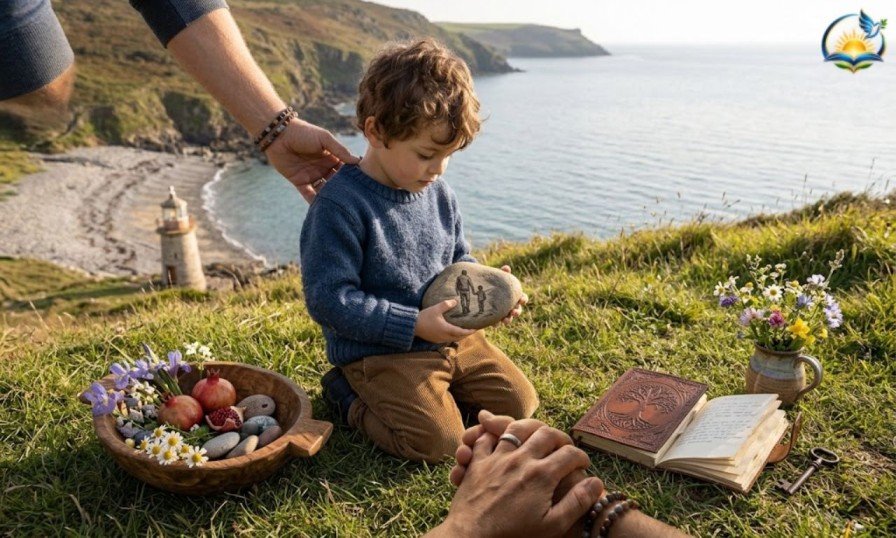
75 Beautiful Reasons a Son Is a Blessing
1. He Brings a Special Kind of Love
The relationship between a parent and son can develop into a deep and lasting connection. A child’s affection, trust, and desire to spend time with a parent can make ordinary moments feel meaningful. A hug after a long day or a simple conversation at bedtime may become a memory a parent treasures for years.
2. He Makes Ordinary Days Memorable
Family life often becomes meaningful through small experiences rather than grand events. Playing a game, sharing a meal, listening to a funny story, or taking a walk together can create memories that remain important long after childhood has passed.
3. He Teaches Parents Patience
Children develop at their own pace. They ask questions, make mistakes, test boundaries, and learn through experience. Parenting encourages adults to slow down, listen carefully, and respond thoughtfully instead of expecting everything to happen immediately.
4. He Inspires Personal Growth
Parents often discover strengths they did not know they possessed after welcoming a child into their lives. They may become more organized, compassionate, responsible, and willing to make sacrifices. Their son can inspire them to reflect on their choices and become more intentional about the example they set.
5. He Brings Laughter Into the Home
A child’s imagination and unexpected observations can make family life brighter. A funny comment, an enthusiastic story, or a playful moment can turn an ordinary afternoon into a memory that everyone enjoys recalling.
6. He Gives Parents New Reasons to Hope
Watching a child discover the world can renew a parent’s sense of possibility. His interests, ambitions, and questions may encourage the entire family to think about the future with curiosity and optimism.
7. He Creates Opportunities for Family Traditions
Families can develop traditions around birthdays, holidays, meals, outdoor activities, or simple weekly routines. These shared experiences help children feel connected to their family history while creating new memories of their own.
8. He Encourages Parents to Celebrate Small Achievements
A first step, a new skill, a school achievement, or an act of kindness may seem small to someone outside the family. To a parent, these moments can represent meaningful progress and a reason to celebrate.
9. He Helps Parents Understand Unconditional Love
Parents may discover that love is not dependent on achievement, popularity, or perfection. A son needs support and guidance when things go well, but he also needs reassurance when he makes mistakes or struggles to meet expectations.
10. He Reminds the Family to Enjoy the Present
Children grow and change quickly. Their changing interests and needs encourage parents to appreciate the present stage of life rather than waiting for a future milestone before enjoying their time together.
11. He Can Become a Trusted Companion
As a son grows older, the parent-child relationship may gradually develop into a more mature connection. Shared interests, honest conversations, and mutual respect can help parents and adult sons appreciate one another in new ways.
12. He Encourages Better Communication
Raising a child requires parents to explain expectations, listen to concerns, and discuss difficult subjects. These conversations can help families develop healthier communication habits that benefit everyone.
13. He Makes Family Celebrations More Meaningful
Birthdays, graduations, holidays, and other milestones often become special because family members gather to celebrate one another. A son’s experiences can create opportunities for relatives to reconnect and share happiness.
14. He Offers New Perspectives
Children may notice things adults overlook. Their questions and observations can encourage parents to reconsider assumptions, learn about new interests, and approach familiar situations with fresh curiosity.
15. He Encourages Parents to Lead by Example
Children learn from what adults do as well as what adults say. A son can remind his parents that honesty, patience, respect, and responsibility are most meaningful when demonstrated through everyday actions.
16. He Makes Learning a Shared Experience
Parents do not need to know everything. Exploring a new hobby, reading together, visiting a museum, or learning a practical skill can show a child that curiosity and personal growth continue throughout life.
17. He Gives Family Memories a Personal Story
Family photographs, keepsakes, and stories often become more meaningful as time passes. They help parents remember different stages of their son’s life and appreciate how much everyone has learned along the way.
18. He Can Inspire Greater Compassion
Understanding a child’s fears, disappointments, and dreams may help parents become more considerate toward other people. The experience can encourage them to listen before judging and to offer support without making assumptions.
19. He Creates Opportunities to Practice Forgiveness
Every close relationship includes misunderstandings. Learning to apologize, listen, and repair hurt feelings can help parents and sons build a relationship that is honest and resilient.
20. He Makes the Future Feel Full of Possibilities
A son’s future will be shaped by his own decisions, circumstances, interests, and opportunities. Parents can encourage him to explore possibilities while reminding him that his worth does not depend on reaching a particular milestone.
21. He Can Bring Family Members Closer Together
Welcoming a child often changes how relatives spend time together. Grandparents, siblings, aunts, uncles, and cousins may create new traditions and strengthen their relationships through shared care and celebration.
22. He Encourages Gratitude
Parenthood can help adults recognize everyday privileges they previously took for granted. A healthy conversation, a peaceful meal, or a moment of shared laughter may become a reason to pause and appreciate what is going well.
23. He Helps Parents Discover New Interests
Parents may become interested in sports, music, nature, art, technology, or other activities because their son enjoys them. Exploring these interests together can create shared experiences and meaningful conversations.
24. He Can Become a Source of Mutual Encouragement
As children mature, they may encourage their parents through thoughtful words, practical assistance, or simple expressions of affection. A healthy family relationship allows care to flow in both directions while respecting everyone’s needs.
25. He Reminds Parents That Every Child Is Different
A son has his own strengths and challenges. Recognizing his individuality encourages parents to guide him according to his needs rather than comparing him with siblings, friends, or unrealistic expectations.
26. He Gives Parents a Reason to Preserve Family Stories
Sharing stories about previous generations can help a child understand where his family came from. These conversations can preserve memories, teach lessons, and encourage appreciation for different family experiences.
27. He Can Inspire Acts of Kindness
When parents teach kindness through everyday behavior, a child may begin to recognize opportunities to help others. Small actions, such as including someone who feels left out or helping a neighbor, can become meaningful habits.
28. He Makes Reunions Feel Special
When a son leaves home for education, work, or another stage of life, time spent together may take on a different meaning. A visit, phone call, or shared meal can become a welcome opportunity to reconnect.
29. He Encourages Resilience
Parents cannot prevent every disappointment their child will experience. They can, however, help him learn how to manage setbacks, ask for assistance, evaluate his choices, and try again when appropriate.
30. He Reminds Parents That Love Is Expressed Through Actions
Love is not only a feeling. It can be shown by keeping promises, listening carefully, providing appropriate guidance, respecting boundaries, and being present when a child needs support.
31. He Can Develop His Own Meaningful Purpose
A son may discover purpose through his work, relationships, creativity, service, faith, or personal interests. Parents can encourage him to explore what matters to him without deciding his future on his behalf.
32. He Encourages Honest Conversations About Values
Family discussions about fairness, respect, responsibility, and compassion can help children develop their own understanding of right and wrong. These conversations are most useful when parents welcome questions and model the values they teach.
33. He Can Become Someone Others Appreciate
Parents may feel proud when they see their son treat others with consideration, keep his word, or take responsibility for his choices. These everyday signs of character can matter more than public recognition.
34. He Gives Parents Opportunities to Celebrate Growth
Growth does not always happen in a straight line. Parents can celebrate progress in confidence, communication, independence, and emotional maturity without expecting perfection.
35. He Can Strengthen a Parent’s Sense of Purpose
Caring for a child can give daily routines a deeper meaning. Providing guidance, creating a safe home, and helping a young person develop his abilities can become important parts of a parent’s life.
36. He Encourages Family Members to Work as a Team
Household responsibilities, shared projects, and family decisions can teach cooperation. When children are given age-appropriate responsibilities, they can learn that everyone contributes to a caring home.
37. He May Help Parents Appreciate Different Generations
A son may introduce new ideas, language, interests, and technologies into family life. Parents can share their experience while also remaining open to learning from him.
38. He Creates Opportunities for Meaningful Celebration
Achievements deserve recognition, but so do personal milestones such as learning to manage a difficult emotion, making a thoughtful decision, or showing courage in an unfamiliar situation.
39. He Can Remind Parents to Ask for Help
No parent has every answer. Seeking advice, using community resources, or talking with trusted professionals can help families manage challenges more effectively and model healthy problem-solving for children.
40. He Makes Love a Daily Practice
The relationship between parent and child develops through repeated actions. Encouragement, consistency, affection, and respectful boundaries can help a son feel secure while he learns to navigate the world.
41. He Encourages Parents to Think Beyond Themselves
Parenting often requires adults to consider how their choices affect another person. This can strengthen their sense of responsibility and encourage them to make thoughtful decisions about time, priorities, and family well-being.
42. He Can Become a Source of Shared Joy
A family does not need expensive outings or elaborate plans to enjoy time together. Cooking, gardening, playing games, or talking during a walk can provide simple ways to reconnect.
43. He Teaches That Progress Takes Time
Children develop skills through practice and experience. Supporting this process can remind parents that meaningful growth often requires patience, repetition, encouragement, and room to make mistakes.
44. He Can Encourage a Healthier Family Environment
When parents make space for open communication, shared responsibilities, and mutual respect, the whole family may benefit. A son can be part of building a home where people feel safe expressing their concerns and celebrating their successes.
45. He Reminds Parents That Every Stage Has Value
Early childhood, adolescence, and adulthood bring different opportunities for connection. Rather than longing for one stage to return, parents can learn to appreciate the unique experiences available at each stage.
46. He May Develop a Lasting Interest in Helping Others
Children often learn generosity through what they see at home. Parents can encourage their son to share, volunteer when appropriate, and notice when someone needs practical assistance.
47. He Can Inspire Creative Family Projects
Building something, preparing a family recipe, creating a scrapbook, or planning a garden can give parents and sons a shared goal. These projects can strengthen cooperation and create memories without requiring elaborate arrangements.
48. He Encourages Parents to Listen More Carefully
Children may not always explain their feelings clearly. Patient questions and attentive listening can help parents understand what is happening beneath a child’s words or behavior.
49. He Can Help the Family Learn From Mistakes
Mistakes are part of learning. When parents respond with fair consequences and constructive guidance rather than humiliation, children can develop accountability while maintaining their sense of dignity.
50. He Reminds Parents That Their Example Matters
A son may observe how adults handle stress, treat service workers, speak about others, and respond when they are wrong. These everyday examples can help him understand how values are practiced in real life.
51. He Can Bring Comfort Through Simple Affection
A warm greeting, a thoughtful note, or a brief conversation can communicate love. These gestures may become especially meaningful when family members are separated by distance or busy schedules.
52. He Encourages Respect for Individual Differences
Parents can help their son understand that people have different abilities, backgrounds, beliefs, and needs. Learning to treat others with fairness can help him develop stronger relationships and participate thoughtfully in his community.
53. He Can Create New Family Traditions as an Adult
An adult son may bring his own ideas into family celebrations and routines. Shared traditions can evolve as relationships change, allowing families to honor their history while welcoming new experiences.
54. He Gives Parents a Chance to Practice Trust
As a child grows, parents gradually need to make room for greater independence. Offering age-appropriate choices and discussing risks honestly can help build trust while maintaining sensible guidance.
55. He Can Encourage Parents to Celebrate Character
Academic, professional, and athletic achievements can be exciting, but kindness, honesty, and perseverance also deserve recognition. Praising these qualities helps children understand that their value is not limited to external success.
56. He Can Help Make Difficult Conversations More Meaningful
Family disagreements can become opportunities to understand different perspectives. Speaking respectfully, acknowledging hurt feelings, and seeking fair solutions can strengthen relationships over time.
57. He Reminds Parents to Protect Time Together
Busy schedules can make family connection difficult. Setting aside time for meals, conversations, or shared activities helps show a child that the relationship matters.
58. He Can Inspire Hope During Change
Moving homes, changing schools, starting a new job, or entering another stage of life can bring uncertainty. Families can help one another adjust by staying connected and approaching change with patience.
59. He Encourages Parents to Recognize Their Own Limits
Parenting can be demanding. Acknowledging fatigue, asking for support, and making time to rest can help adults care for themselves while remaining available to their children.
60. He Can Become a Friend While Remaining a Son
As a son matures, the relationship may include more shared interests and adult conversations. Maintaining warmth while respecting boundaries allows both generations to grow without losing their family connection.
61. He Can Inspire Gratitude for Everyday Safety and Care
A stable routine, a supportive conversation, or access to the help a child needs can be easy to overlook. Recognizing these things can encourage families to appreciate the care that sustains them.
62. He May Develop the Confidence to Follow His Own Path
Parents can encourage their son to explore his interests and make thoughtful choices. Supporting independence does not mean agreeing with every decision; it means guiding him while recognizing that he has his own life to shape.
63. He Can Teach the Importance of Emotional Honesty
Children benefit from learning that sadness, disappointment, excitement, and fear are normal human feelings. Parents can model healthy ways to express emotions and seek support when necessary.
64. He Gives Parents Reasons to Celebrate Everyday Courage
Courage may look like asking a question, admitting a mistake, trying a new activity, or standing up for someone being treated unfairly. Recognizing these actions can encourage a child to keep developing his character.
65. He Can Help the Family Build a Culture of Appreciation
Expressing thanks, acknowledging effort, and recognizing help can make family members feel valued. A simple habit of appreciation can improve the tone of everyday interactions.
66. He May Carry Forward Lessons That Matter to Him
A son may adopt some family traditions and change others. Parents can share their values while allowing him to think independently and decide which lessons he wants to carry into adulthood.
67. He Can Encourage Meaningful Conversations About Faith
For families who practice a religion, a son’s questions may create opportunities to discuss prayer, compassion, gratitude, and the meaning of faith. These conversations are most constructive when they allow honest questions and respect the child’s development.
68. He Reminds Parents That Connection Is More Important Than Perfection
No family handles every situation perfectly. Being willing to apologize, listen, repair relationships, and learn from mistakes can be more valuable than trying to appear flawless.
69. He Can Help Parents Appreciate the Journey
Parenthood includes joyful moments, difficult decisions, and many ordinary days in between. Looking back on this journey may help parents recognize the growth that has taken place in both themselves and their son.
70. He Can Become a Source of Shared Wisdom
As generations learn from one another, parents can pass along useful experience while remaining open to their son’s perspective. Mutual respect makes this exchange more meaningful than simply expecting one generation to have every answer.
71. He Encourages Parents to Keep Showing Up
Consistency matters in relationships. Keeping promises, making time for conversations, and offering support after setbacks can help a son know that he is valued beyond his achievements.
72. He Can Inspire Greater Appreciation for Community
A child’s growth often involves teachers, relatives, friends, coaches, and other supportive people. Recognizing their contributions can remind parents that raising a child is often supported by a wider community.
73. He Can Make Reconciliation Possible After Disagreements
A strong relationship does not require agreement on every issue. Respectful discussion, accountability, and a willingness to understand one another can help parents and sons work through differences.
74. He Reminds Parents That Love Can Grow With Time
The way parents express love may change as their son becomes more independent. Practical support in childhood may develop into encouragement, listening, and mutual respect in adulthood.
75. He Is Loved for Who He Is
Perhaps the most important reason a son is a blessing is that he is a unique human being worthy of love, care, and respect. His value does not depend on his achievements, income, career, or ability to meet other people’s expectations. He deserves encouragement as he discovers who he is and learns to live according to his own values.
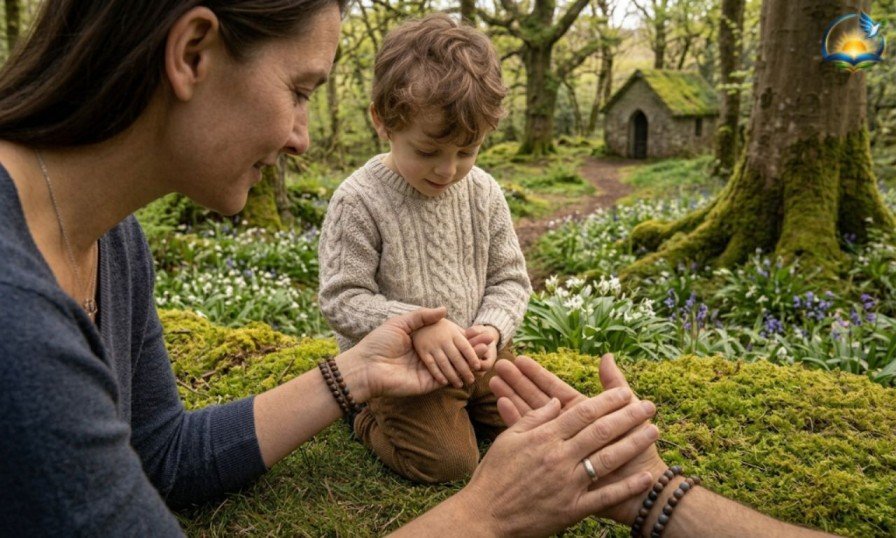
Heartfelt Messages About a Son Being a Blessing
Sometimes parents know what they feel but struggle to express it in a few sentences. The following original messages can help you share appreciation in a card, text message, family photograph caption, or personal note.
- Having you as my son has brought love, laughter, and lessons into my life that I will always treasure.
- You remind me that some of life’s greatest joys are found in the smallest everyday moments.
- I am grateful for the person you are becoming and proud of the effort you put into growing and learning.
- You do not have to be perfect to be loved. You will always matter to me simply because you are you.
- My wish for you is that you find courage in difficult moments, kindness in your relationships, and purpose in the choices you make.
- Watching you grow has taught me that love means guiding someone while giving them room to become their own person.
- You have a place in my heart that no achievement or difficult season could ever change.
- I hope you always remember that you can ask for help, learn from mistakes, and begin again when necessary.
- Thank you for the memories we have made and for the opportunities we continue to have to learn from one another.
- Whatever direction your life takes, I hope you know that you are loved and that your happiness and well-being matter.
A Mother’s Perspective: Why a Son Is So Precious
A mother’s relationship with her son can include affection, concern, pride, and a deep desire to see him thrive. From caring for him when he is young to encouraging him as he becomes independent, a mother often experiences many changing roles throughout his life.
The relationship is not identical in every family. Some mothers raise their sons alone, while others share parenting responsibilities with a partner or extended family. Some families experience distance, complicated circumstances, or periods of disagreement. There is no single pattern that defines a meaningful mother-son bond.
What matters is the care expressed through listening, support, encouragement, and respect. A mother can show love by celebrating her son’s strengths, helping him learn from mistakes, and allowing him to develop his own interests and identity.
A heartfelt message from a mother might say:
“My dear son, you have brought so much meaning into my life. I hope you always feel free to learn, grow, ask questions, and follow a path that reflects your values. I will continue to encourage you, celebrate your progress, and remind you that you are loved through both your successes and your challenges.”
A Father’s Perspective: Raising a Son With Love and Guidance
A father may see his relationship with his son as an opportunity to share knowledge, provide support, and model responsible behavior. The most valuable lessons are not always delivered through formal advice. They may be learned through the way a father handles disappointment, treats other people, admits mistakes, and keeps his promises.
A healthy father-son relationship makes room for both guidance and emotional openness. A son should be able to express his worries without being made to feel weak. He should also receive clear boundaries, fair expectations, and encouragement to take responsibility for his actions.
Fathers do not need to have every answer. Being willing to listen, apologize when necessary, and seek help when a situation exceeds their experience can model strength and humility at the same time.
A father might express his feelings with this original message:
“Son, I am grateful for the chance to watch you discover your strengths and shape your own future. I hope you learn to treat people with respect, stand by your values, and ask for help when you need it. I will do my best to guide you while respecting the person you are becoming.”
A Short Prayer of Gratitude for a Son
For parents who practice Christianity, prayer can be a meaningful way to express gratitude for their child and reflect on the responsibilities of parenthood. The following is an original prayer, not a quotation from the Bible.
A Prayer for My Son
Heavenly Father, thank You for my son and for the opportunity to care for him. Help me guide him with patience, listen to him with understanding, and encourage him to develop his gifts. Give him wisdom as he makes decisions, courage when he faces challenges, and compassion in the way he treats others. Help our family communicate honestly, forgive one another, and grow in love. Teach me to support him without placing unfair expectations on his life. May he find purpose, healthy relationships, and opportunities to use his abilities for good. Amen.
Prayer can be a source of reflection and comfort, but it should not be treated as a guarantee that a child will never experience hardship. Parents can combine their faith with practical care, open communication, and appropriate support for their son’s needs.
Bible Verses That Connect With the Blessing of Children
For Christian readers, several biblical passages discuss children, family responsibilities, gratitude, and care. The meaning of a passage should be understood in its wider context, and wording varies between Bible translations.
Psalm 127:3 describes children as a heritage from the Lord. This verse is often cited by Christians when reflecting on the value of children and the responsibility of caring for them.
Proverbs 22:6 discusses guiding a child in the way he should go. Many readers connect this passage with the importance of teaching and guidance, while recognizing that raising a child involves wisdom, patience, and individual circumstances.
Ephesians 6:4 advises fathers not to provoke their children and to raise them with instruction and guidance rooted in the Christian tradition. The passage can encourage parents to combine boundaries with care rather than relying on harshness.
James 1:5 speaks about asking God for wisdom. Parents may find this principle meaningful when they face difficult decisions and want to respond thoughtfully to their child’s needs.
These references are provided as starting points for personal reading. They should not be treated as promises that every family will experience a particular outcome. Readers should consult the Bible translation they use to review the exact wording and surrounding context.
How to Show Your Son That He Is a Blessing
Expressing love is most meaningful when it becomes part of everyday family life. A thoughtful message can be encouraging, but consistent actions help build trust and emotional security over time.
Listen Without Rushing to Correct Him
When your son talks about a problem, give him an opportunity to explain what happened and how he feels. You can offer advice after you understand his perspective. Listening does not mean agreeing with every decision; it shows that his thoughts deserve consideration.
Celebrate Effort, Not Only Results
Recognize persistence, honesty, kindness, and the willingness to learn. When praise focuses only on winning or achieving high marks, a child may begin to feel that love depends on performance. Recognizing effort helps him understand that growth matters even when results are imperfect.
Spend Time Together
Choose activities that suit his age and interests. You might cook together, play a game, take a walk, read, talk about a hobby, or work on a practical project. Consistent time together can be more valuable than occasional expensive gifts.
Let Him Make Age-Appropriate Choices
Children develop confidence by practicing decision-making. Offer choices that fit their age and discuss the possible consequences. As your son matures, gradually give him more responsibility while remaining available for guidance.
Apologize When You Make a Mistake
Parents sometimes react too quickly or misunderstand a situation. A sincere apology can show a son that accountability is important and that relationships can recover after mistakes. It also demonstrates that respect should go in both directions.
Respect His Individuality
Your son may have interests, beliefs, strengths, or ambitions different from your own. You can share your experience without requiring him to follow the exact path you would choose. Respectful guidance helps preserve trust while allowing him to develop his own identity.
Offer Support During Difficult Times
If he struggles with school, relationships, work, or emotional challenges, ask what kind of support would be helpful. Sometimes he may need advice; at other times he may need practical assistance or a chance to talk without being judged. Serious or persistent difficulties may require support from a qualified professional.
When Your Son Is Growing Up and Becoming Independent
Watching a son become more independent can bring pride and mixed emotions. Parents may be excited to see him develop his own interests while also missing the routines of earlier childhood. These feelings can exist together.
As he grows, the relationship may need to change. A young child depends on parents for most decisions, while an older teenager or adult may need more privacy and autonomy. Maintaining a strong connection requires parents to adapt their approach rather than expecting the relationship to remain exactly the same.
You can continue to express care by asking about his life, respecting his time, offering advice when invited, and making it clear that support is available. Regular communication can help, but the right frequency depends on the preferences and circumstances of both people.
If disagreements arise, try to distinguish between genuine safety concerns and differences in personal preference. A son may choose a career, lifestyle, or location that differs from what his parents imagined. Honest conversation can preserve the relationship while acknowledging that he is responsible for shaping his own adult life.
The belief that a son is a blessing does not require parents to control his decisions. It can instead encourage them to value the relationship, remain open to learning, and support his well-being while respecting his independence.

Sharing Family Blessings and Meaningful Messages
Parents often express gratitude for their children through family photographs, handwritten notes, birthday cards, and social media captions. These small acts can preserve memories and communicate affection, especially when relatives live far apart.
If you enjoy sharing faith-based messages, you may also like our collection of happy Sunday blessings, which offers ideas for sending encouragement and hope to family and friends.
For a quieter message at the end of the day, explore our good night blessings. A thoughtful nighttime message can remind your son that you care about his well-being, whether he is living at home or away.
Weekends may offer a good opportunity to reconnect, share a meal, or send a personal note. You can find more ideas in our collection of weekend blessings, which can help you express appreciation and encouragement.
If you want to send a warm message in the evening, our good evening blessings provide additional inspiration for sharing peace, kindness, and positive thoughts with loved ones.
When sharing a photograph of your son online, consider his age, preferences, and privacy. Not every meaningful family moment needs to be public. Sometimes a personal message sent directly to him will feel more genuine than a caption shared with a large audience.
Frequently Asked Questions
What does “son is a blessing” mean?
The phrase expresses gratitude for the love, connection, and meaning a son brings to his family. For some people it also reflects their religious belief that children are gifts from God. It does not mean that parenting is free from difficulties.
Why do parents consider their sons a blessing?
Parents may treasure the opportunity to watch their son grow, build a relationship with him, celebrate his achievements, and help him learn. The experience can bring joy and encourage parents to develop patience, compassion, and responsibility.
What is a good quote about a son being a blessing?
An original message you can use is: “A son is a precious part of a family’s story, bringing opportunities for love, learning, laughter, and growth.” You can personalize it to reflect your own relationship and experiences.
How can a mother express gratitude for her son?
A mother can write a personal note, share a prayer if appropriate, spend meaningful time together, or tell him which qualities she appreciates. Specific examples of his kindness, effort, or character often make a message feel more sincere.
How can a father show his son that he is loved?
A father can listen carefully, provide consistent guidance, celebrate effort, admit mistakes, and make time for shared activities. Respecting a son’s feelings and individuality can help build a trusting relationship.
What Bible verse describes children as a blessing?
Psalm 127:3 is commonly associated with this theme because it describes children as a heritage from the Lord. Check the wording in your preferred Bible translation and read the surrounding passage for context.
Can I use these messages as social media captions?
Yes. You can adapt the original messages for photographs, greeting cards, or social media captions. Consider your son’s privacy and preferences before posting personal details or photographs publicly.
Is being a blessing the same as being perfect?
No. A child does not need to be perfect or achieve particular milestones to be loved. A meaningful parent-child relationship allows room for mistakes, learning, honest conversations, and personal growth.
How can parents maintain a close relationship with an adult son?
Respect his independence, communicate honestly, make time for conversations, and offer support without trying to control every decision. The relationship can remain close even when both generations have different interests or opinions.
What can I say to my son during a difficult time?
You might say, “You do not have to figure everything out today. I love you, I believe in your ability to learn from this experience, and I am here to listen and help you consider your next step.” Adapt the message to what he is experiencing.
Can a blessing for a son be nonreligious?
Yes. You can express hopes for his happiness, health, peace, confidence, and meaningful relationships without including religious language. The most important thing is that the message reflects your genuine care and respects his beliefs.
How often should I remind my son that he is loved?
There is no fixed schedule. Regular, sincere expressions of affection and support can help maintain connection. Pay attention to his communication style and remember that practical actions, respect, and consistency are also important ways to express love.
Final Thoughts
A son can bring a lifetime of meaningful experiences into a family, from the excitement of early childhood to the conversations and shared memories that develop as he grows older. The relationship may change over time, but love, respect, and a willingness to understand one another can continue to provide a strong foundation.
The idea that a son is a blessing is ultimately an expression of gratitude for a unique person and the opportunity to share life with him. It is not about expecting perfection or demanding that he follow a particular path. It is about recognizing his value, helping him develop his abilities, and supporting him through both achievements and difficulties.
You can communicate that love through simple words, sincere prayers, meaningful time together, and practical acts of care. Celebrate his progress, listen when he needs to talk, respect his individuality, and let him know that he matters beyond what he accomplishes.
The most lasting blessing a parent can offer may be a home and relationship where a son feels loved, respected, encouraged, and free to grow into the person he is meant to become.

Daily Blessing Faith — Inspiring hearts with daily blessings, prayers, faith, and words of hope. Start each day with faith, peace, and God’s love.